How To Reduce Your Electric Bill in a Rental in 2026
TL;DR
Check whether your bill measures your usage before changing anything. In many buildings, the electricity charge is a formula based on unit size and occupancy rather than a meter reading, and no fix moves it. If your usage is metered, four things lower it without a landlord's permission: the air filter, the dryer vent, unblocked vents, and a thermostat schedule you keep.
Key Takeaways
- Check the bill type first. If electricity is allocated by formula rather than metered, no fix below changes what you are charged.
- Runtime is the lever, not equipment. Anything making the air handler or dryer run longer than needed lands on your bill, and airflow is usually why.
- Sort by permission, not by savings. That puts the filter, lint trap, vents, and thermostat on top; all four are yours to do.
- Buy the size printed on the old frame. Higher MERV resists airflow more, and an older rental system straining against it cancels the savings.
- What you cannot reach goes in writing. A duct inside a wall or a shared exhaust is a maintenance request.
Does Your Electric Bill Actually Measure Your Usage?
Not always, so settle it first. In many buildings, the landlord meters the whole property and divides the total among units by formula, an arrangement called a Ratio Utility Billing System. As the D.C. Attorney General's office states, that allocation is not based on actual per-tenant usage. Formulas typically use occupant count and square footage, may fold in common-area usage and an administrative fee, and no law dictates which one a property uses.
The consequence is blunt. If your electricity is allocated rather than metered, changing your filter cannot lower your bill, because your consumption is not what is measured. Where the formula weights occupancy, adding a roommate raises your charge with no change in behaviour.
- Metered. A bill in your own name from the utility, showing a meter number and kilowatt-hours. Everything below applies.
- Allocated. A charge from your landlord or a billing company with no kilowatt-hour figure. Your lease addendum should disclose the method.
- Submetered. Your landlord bills you against a meter for your unit, so usage is measured and the fixes work.
If you are allocated, ask in writing for the billing method, past bills for your unit type, any administrative fees, and the dispute process. Some jurisdictions restrict the practice outright.
Why Do Renters Pay More per Square Foot Than Owners?
Because the person paying the bill is not the person who authorises the equipment. Economists call that a split incentive, and it means rental units keep older systems longer while the tenant absorbs the running cost. The U.S. Energy Information Administration found that households in rented homes were billed 28 cents more per square foot for energy than households in owned homes, across every income range.
At 750 square feet, a common one-bedroom, that gap is roughly 210 dollars a year. It covers all energy sources rather than electricity alone and is an average rather than your unit, so treat it as a scale marker.
What Can I Change in a Rental Without Landlord Permission?
Four things, none altering the unit or needing a work order. First, search your lease for the word filter. In many leases, it never appears, so nobody agreed to own the task, which is why a rental air filter often outlives the tenancy.
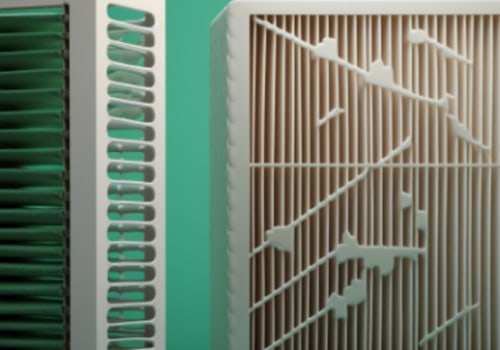
- Replace the air filter on schedule. ENERGY STAR advises checking it monthly in heavy-use seasons and replacing it at least every three months. Heating and cooling are nearly half of a home's energy use, so this is the largest share you influence. If you have never found the slot, this guide on changing an AC filter in an apartment covers where it hides.
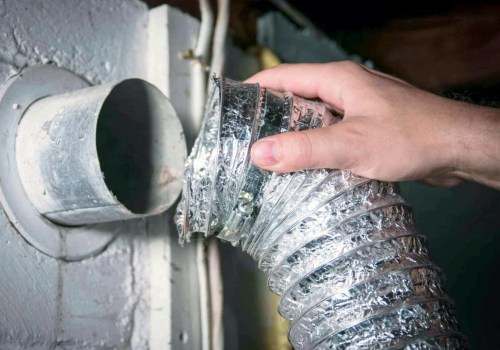
- Clear the lint trap after every load. Then pull the flexible duct off the wall and check for crushing or lint.
- Uncover supply and return vents. A sofa over a register or rug across a return starves the system, and moving furniture costs nothing.
- Set one thermostat setback for empty hours. Many rentals have a basic or restricted thermostat, so the usual smart-thermostat advice does not apply. A manual schedule you leave alone is the tenant version.
On filter choice, I part company with the standard advice. EPA guidance says use MERV 13 or as high as your system accommodates, and consult an HVAC technician to find that ceiling. A tenant is not commissioning an inspection of equipment they do not own. Buy what the slot was built for, and test any jump of more than a few MERV points over one cycle. My breakdown of picking the right MERV rating works through where that ceiling sits.
Which of the Four Is Actually Your Problem?
Match the symptom.
- Bill up, comfort unchanged. Reaching temperature slowly. Filter first, blocked vents second.
- Bill up, rooms uneven. A distribution problem. Check registers and returns, then report ductwork.
- Laundry taking two cycles. The dryer exhaust, the one item with a safety dimension.
- Bill up, kilowatt-hours flat. A rate rise, not waste, so assistance and rate data matter more.
- Bill up, no kilowatt-hours shown. Return to the allocation question.
How Does a Clogged Dryer Vent Raise My Electric Bill?
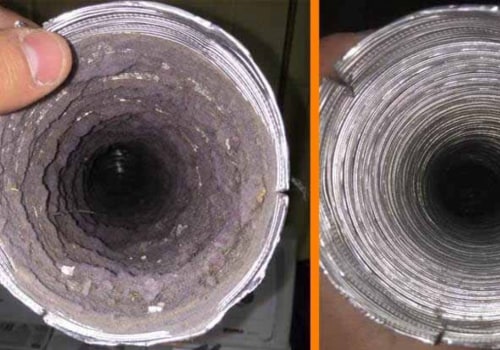
By forcing longer cycles. Restricted exhaust keeps moist air in the drum, so the machine runs on to finish a load it should have completed, and every extra minute is metered. Clothes still damp after a full cycle are the sign.
The dryer is the only appliance here that conceals its own inefficiency. A struggling air conditioner leaves the room warm, and you notice. A struggling dryer still hands you dry clothes, just later, so the only evidence is time and a bill you cannot itemise. That is why it goes unexamined for years.
The safety side is not a scare tactic. U.S. Fire Administration data shows failure to clean was the leading ignition factor in 31 percent of home clothes dryer fires from 2018 to 2020.
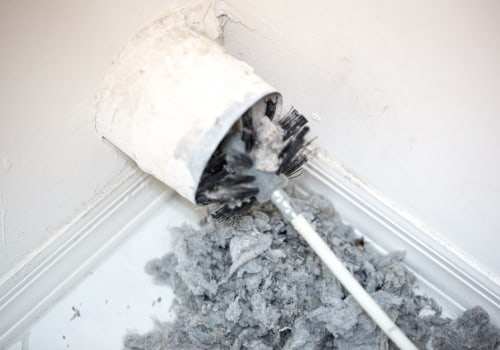
Handle the lint screen, the visible hose, and the exterior flap if you can reach it, and confirm the flap opens while the dryer runs. Leave the in-wall run, roof,s and shared exhausts alone, because a brush too short for the run compacts lint into a worse blockage.
Which Fixes Need Your Landlord, and How Do You Ask?
Air sealing, duct replacement, insulation, and equipment are the owner's decisions. Tie the request to a symptom, not a preference. "The duct behind the dryer is packed with lint and loads take two cycles" gets a response. "The apartment feels inefficient" does not.
Put it in writing, name the location, keep a copy. It also helps to know how much of your increase is rate rather than waste, since the two call for different responses.
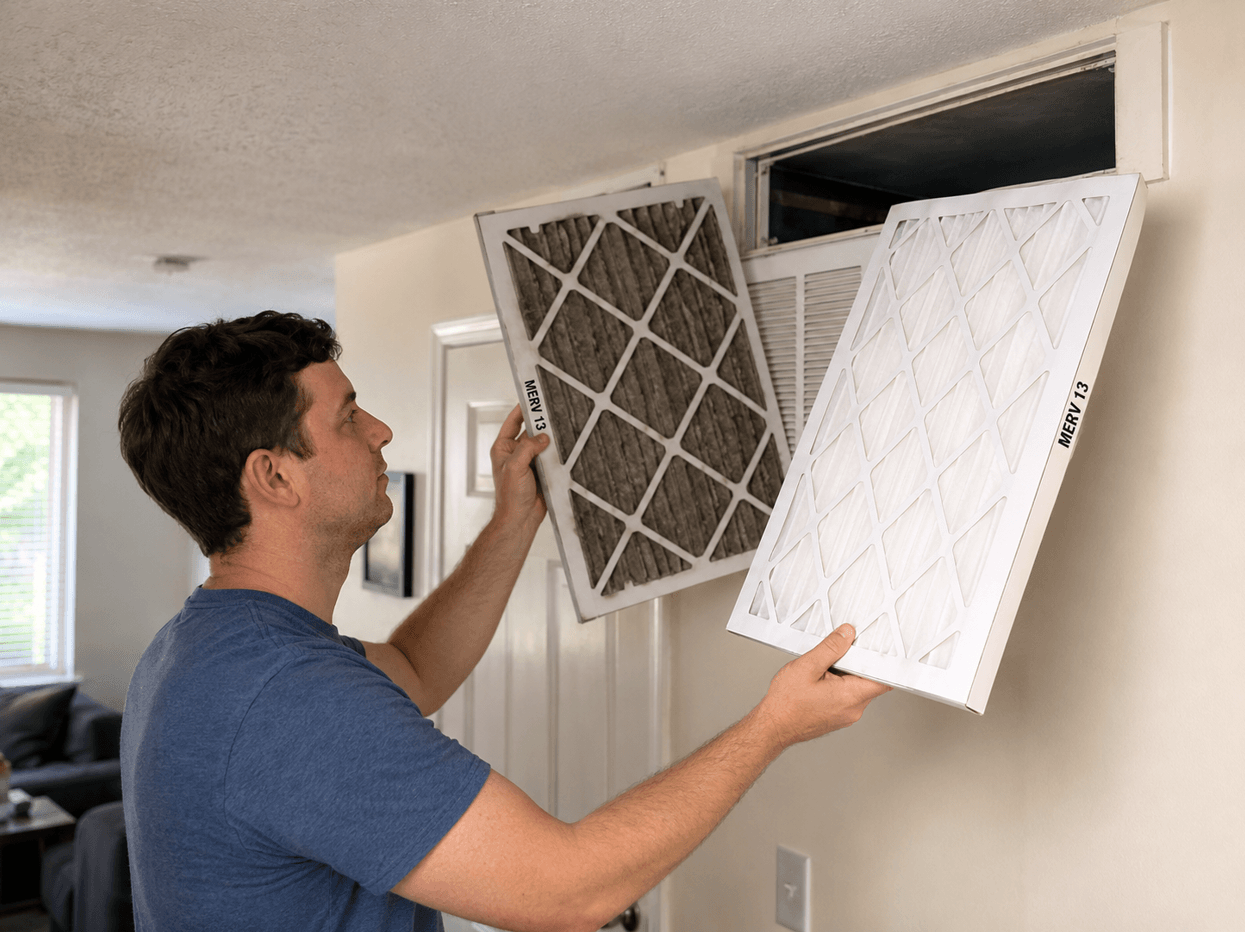
“After years of shipping replacement filters into apartments and rental homes, what we see is rarely the wrong filter. It is a filter that stayed in far longer than it should have, because no one in the unit was certain whether changing it was the tenant's job or the landlord's.” - The Filterbuy Team
Essential Resources
- Residential rate changes and HVAC savings guide on how to reduce your electric bill in 2026. Maps year-over-year price changes by state, so you can see whether your increase tracks your state, and pairs that with the fixes that cut consumption. Linked above.
- EPA, Guide to Air Cleaners in the Home. Answers the MERV question directly, including how to judge whether a system can take a MERV 13 filter and what window and ductless units filter.
- EIA, Electric Power Monthly. A gives the average residential price per kilowatt-hour by state, updated monthly, which is how you separate a rate rise from waste.
- USAGov, Get Help With Energy Bills. One entry point for the Low Income Home Energy Assistance Program and Weatherization Assistance Program, plus state disconnection rules.
- U.S. Fire Administration, Clothes Dryer Fire Safety. A single printable page of exact checks, the easiest thing to attach to a maintenance request.
Three Numbers Worth Knowing
- 28 cents per square foot. The extra amount rented households were billed for energy versus owned homes, across all income ranges.
Source: U.S. Energy Information Administration, 2020 RECS.
- Nearly half. The share of a typical U.S. home's energy going to heating and cooling, which is why airflow is the highest-leverage fix.
Source: ENERGY STAR.
- 31 percent. The share of home clothes dryer fires from 2018 to 2020 where failure to clean was the leading ignition factor.
Source: U.S. Fire Administration.
Final Thoughts and Opinion
Renter energy advice is mostly homeowner advice with the price tags removed, and that is why it fails. Ranking fixes by how much they save puts insulation first, then duct sealing, then equipment, and a tenant can act on none of them. Ranking by whose permission they need puts the filter, lint trap, vents, and thermostat first. Same fixes, different sort order, completely different usefulness.
The strongest objection is that four small fixes are trivial next to a building's envelope. That is correct and beside the point. The comparison is not against a retrofit you will never get approved. It is against doing nothing while the bill climbs.
Next Steps: The Next Thirty Days
- 1. Read your statement. Find a kilowatt-hour figure, or establish there is not one. Everything else depends on it.
- 2. Pull the filter and read the frame. Buy that size, then write it and the date on the new one before it goes in.
- 3. Clear the lint trap and check the transition duct. Look inside the duct mouth, then reattach without kinks.
- 4. Uncover every vent and set one thermostat schedule. Then leave it alone, because correction drives runtime up.
- 5. Put unreachable items in writing, and recheck the filter at thirty days. If it is already grey, shorten the interval and drop the three-month default.
Frequently Asked Questions
How Do I Know if My Electric Bill Is Based on My Actual Usage?
Look for a kilowatt-hour figure and a meter number. A bill from the utility in your own name showing kilowatt-hours means your usage is metered. A charge from a landlord or billing company with no kilowatt-hour figure is likely allocated by formula, and your lease addendum should disclose the method.
How Often Should I Change the Air Filter in an Apartment?
Monthly checks in heavy heating and cooling months; replacement at least every three months, per ENERGY STAR. Pets, heavy runtime, or nearby construction all shorten that.
Can I Get My Landlord To Pay for Dryer Vent Cleaning?
Often yes. The duct inside the wall is building property, and lint buildup is a documented fire risk. Submit a written request naming the location and the symptom, such as loads needing two cycles.
Does Closing Vents in Unused Rooms Lower My Bill?
Usually not, and it can raise it. Closing registers raises duct pressure, pushing more air through leaks and making the blower work harder. Leave vents open in ductwork you cannot inspect.
Start With the Airflow You Control
Walk the five steps above and note which you can finish yourself before your next billing cycle closes. The one or two needing a professional or a written request are worth documenting while the symptom is fresh.
Learn more about HVAC Care from one of our HVAC solutions branches…
Filterbuy HVAC Solutions - West Palm Beach FL
1655 Palm Beach Lakes Blvd., Ste 1005 West Palm Beach, FL 33401
(561) 448-3760
https://maps.app.goo.gl/VarpgNZnxuPQuW8A7